

Top Architecture Software for Professionals: A Comprehensive Guide
Share this:
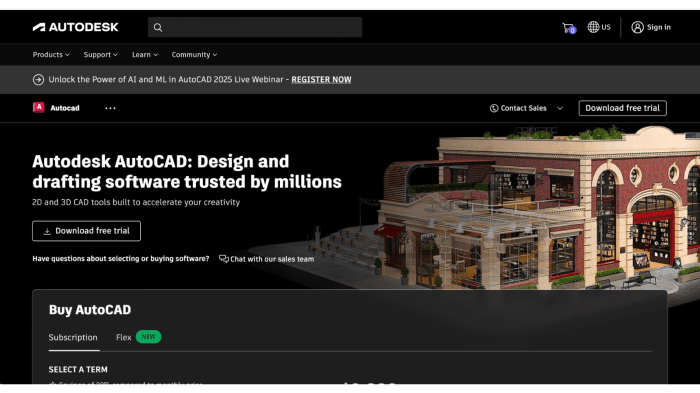
Delving into the world of top architecture software for professionals, this guide aims to provide valuable insights into the tools that shape modern architectural design. From AutoCAD to Revit, SketchUp, and 3ds Max, each software offers unique features crucial for successful projects.
Architects and designers rely on these software to bring their visions to life, and understanding the nuances of each can make all the difference in creating exceptional structures.
Overview of Top Architecture Software
Architecture software plays a crucial role in the design and planning of architectural projects. Here are some of the top architecture software used by professionals:
AutoCAD Architecture
- Features include 3D modeling, drafting, and documentation tools.
- Allows for efficient collaboration and integration with other Autodesk products.
- Offers customizable workflows and automation for repetitive tasks.
SketchUp
- Known for its user-friendly interface and ease of use.
- Offers powerful 3D modeling capabilities for conceptual design.
- Integration with Trimble Connect allows for cloud-based collaboration.
Revit
- Focuses on building information modeling (BIM) for comprehensive project management.
- Allows for parametric modeling and data-rich designs.
- Enables coordination between different disciplines within a project.
Choosing the right architecture software is crucial for professionals as it can significantly impact the efficiency and quality of their work. Factors to consider include the specific needs of the project, ease of use, collaboration capabilities, and compatibility with other tools.
By selecting the right software, architects can streamline their workflow, improve communication with clients and stakeholders, and deliver successful projects.
AutoCAD
AutoCAD is a widely used software in the field of architecture, known for its precision and versatility. It plays a crucial role in helping architects design, draft, and document architectural projects efficiently.
Specific Tools and Functions
- Powerful Drawing Tools: AutoCAD offers a wide range of drawing tools that enable architects to create intricate designs with precision.
- Layer Management: With the ability to organize elements on different layers, architects can easily control the visibility and editing of various components within a project.
- 3D Modeling: AutoCAD allows professionals to create detailed 3D models of buildings, providing a realistic representation of the final design.
- Annotation and Documentation: The software includes tools for adding annotations, dimensions, and other documentation elements to the drawings, ensuring clarity and accuracy in the design process.
- Collaboration Features: AutoCAD facilitates collaboration among team members by enabling the sharing of files and designs, making it easier to work on projects together.
Examples of Architectural Projects
- The Burj Khalifa: The tallest building in the world, the Burj Khalifa in Dubai, was designed using AutoCAD, showcasing the software's capability to handle complex and large-scale projects.
- The Guggenheim Museum Bilbao: This iconic architectural masterpiece was also created using AutoCAD, highlighting the software's versatility in bringing unique and innovative designs to life.
- The Shard: Another notable project, The Shard in London, utilized AutoCAD for its design and construction, demonstrating the software's contribution to creating modern and striking architectural landmarks.
Revit
Revit is a powerful architecture software that sets itself apart from others in the industry through its focus on Building Information Modeling (BIM). Unlike traditional CAD software like AutoCAD, Revit allows users to create intelligent 3D models that can simulate the construction, management, and maintenance of a building.
Differences from other architecture software
Revit stands out due to its parametric modeling capabilities, which means that changes made to one part of the model automatically update all related components. This dynamic relationship between elements ensures accuracy and consistency throughout the design process.
Benefits of using Revit
- Improved collaboration: Revit's cloud-based platform allows multiple team members to work on the same project simultaneously, enhancing communication and coordination.
- Efficient design iterations: With Revit's parametric modeling, architects can quickly test different design options and analyze their impact on the overall project.
- Accurate cost estimation: By linking BIM data to the model, Revit enables real-time cost analysis and quantity takeoffs, helping architects stay within budget constraints.
Integration of BIM in Revit
Revit fully embraces the concept of Building Information Modeling (BIM) by centralizing all project information in a single model. This integrated approach allows architects to not only visualize the design but also analyze performance, simulate construction sequences, and generate detailed documentation.
By leveraging BIM in Revit, professionals can streamline workflows, reduce errors, and deliver high-quality projects efficiently.
SketchUp
SketchUp is a powerful architectural software known for its versatility in architectural visualization. It offers a user-friendly interface and robust tools that allow professionals to bring their design ideas to life with ease.
Exploring the Versatility of SketchUp
SketchUp offers a wide range of features that make it a preferred choice for architects and designers. Here are some ways professionals can effectively use SketchUp for designing structures:
- Utilize the 3D modeling capabilities: SketchUp allows users to create detailed 3D models of buildings, interiors, and landscapes, providing a realistic view of the final design.
- Easy integration with other software: SketchUp seamlessly integrates with other architectural software like AutoCAD and Revit, allowing for a smooth workflow and collaboration among team members.
- Extensive library of components: SketchUp offers a vast library of pre-made components like furniture, fixtures, and textures, saving time and effort in the design process.
- Real-time visualization: With SketchUp, professionals can visualize their design in real-time, making it easier to make adjustments and modifications on the go.
Limitations of SketchUp
While SketchUp is a powerful tool, it does have some limitations compared to other software in the market:
- Lack of advanced parametric modeling: SketchUp's parametric modeling capabilities are limited compared to software like Revit, making it challenging to create complex and detailed designs.
- Not ideal for large-scale projects: SketchUp may not be the best choice for large-scale architectural projects that require intricate detailing and precise measurements.
- Limited rendering options: SketchUp's rendering capabilities are not as advanced as dedicated rendering software like V-Ray, which may affect the visual quality of the final design.
3ds Max
ds Max is a powerful software used by architects for rendering and visualization. It offers a wide range of advanced features that make it an essential tool for professionals in the field of architecture.
Architectural Rendering and Visualization
ds Max is extensively used in architectural rendering to create photorealistic images of buildings and interior spaces. Architects can visualize their designs in a realistic manner, allowing them to present their ideas effectively to clients. The software enables users to add textures, lighting, and landscaping details to enhance the visual appeal of the architectural models.
- 3ds Max offers a variety of rendering options, including mental ray and V-Ray, which produce high-quality images with realistic lighting and shadows.
- Architects can create walkthrough animations to showcase their designs in a dynamic and engaging way.
- The software allows for the creation of 3D models that can be easily manipulated and viewed from different angles, providing a comprehensive understanding of the architectural design.
Advanced Features of 3ds Max
ds Max comes equipped with advanced features that set it apart as a powerful tool for architectural visualization.
- Particle Flow: This feature enables architects to create complex particle effects like fire, water, and smoke, adding a realistic touch to their visualizations.
- Materials Editor: Architects can customize materials and textures to achieve the desired look for different elements in their architectural models.
- Physical Camera: The physical camera feature simulates real-world camera settings, allowing architects to create images with accurate depth of field and exposure settings.
Stunning Architectural Visualizations with 3ds Max
ds Max has been used to create breathtaking architectural visualizations that showcase the creativity and technical skills of architects.
- Example 1: A sleek and modern residential building with glass facades and lush landscaping, designed using 3ds Max to achieve a photorealistic look.
- Example 2: An intricate interior design of a luxury hotel lobby, complete with detailed furnishings and lighting effects, rendered using 3ds Max to create a visually stunning presentation.
- Example 3: A conceptual urban planning project featuring a futuristic cityscape, brought to life through 3ds Max's advanced rendering capabilities, showcasing the architect's vision for sustainable urban development.
Ultimate Conclusion
In conclusion, the realm of architecture software for professionals is vast and ever-evolving. Choosing the right tool can elevate a project from good to extraordinary. By harnessing the power of these software, architects can continue to push boundaries and innovate in the field of architecture.
Question & Answer Hub
Is there a free version of these top architecture software available for professionals?
Some software like SketchUp offers a free version with limited features, but most professional-grade tools require a paid subscription for full functionality.
Can these software be used on both Windows and Mac operating systems?
Yes, the majority of architecture software mentioned in this guide are compatible with both Windows and Mac platforms.
Are there any online courses available to learn how to use these software effectively?
Yes, platforms like Coursera, Udemy, and LinkedIn Learning offer courses specifically tailored to teaching professionals how to master these architecture software.