

Green Building Designs by Certified Architects: Creating Sustainable Spaces
Share this:

Exploring the realm of Green building designs by certified architects unveils a world where sustainability meets innovation. This passage aims to captivate readers with a glimpse into the intricate process of designing eco-friendly buildings, ensuring a blend of expertise and creativity that shapes a greener future.
In the following paragraph, we delve deeper into the intricacies of green building designs and the significant role architects play in shaping sustainable spaces.
Introduction to Green Building Designs by Certified Architects
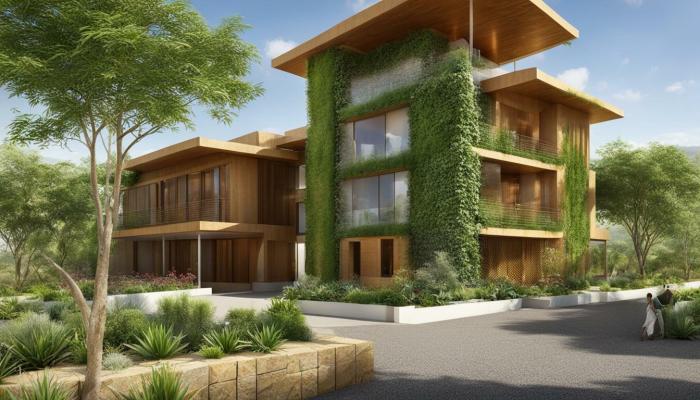
In the current era of environmental awareness and sustainability, green building designs have gained significant importance. These designs focus on minimizing the environmental impact of buildings while maximizing energy efficiency and resource conservation.
Defining Green Building Designs
Green building designs involve creating structures that are environmentally responsible and resource-efficient throughout their lifecycle. This includes design, construction, operation, maintenance, and demolition.
The Role of Certified Architects
Certified architects play a crucial role in designing eco-friendly buildings by integrating sustainable practices into their architectural plans. They have the expertise to implement green building strategies that reduce energy consumption, minimize waste, and promote a healthier living environment.
Importance of Sustainable Practices
Incorporating sustainable practices in architecture is essential to mitigate climate change, reduce carbon footprint, and create healthier indoor spaces. By designing green buildings, certified architects contribute to a more sustainable future for generations to come.
Benefits of Green Building Designs
Green building designs offer a wide range of benefits, encompassing environmental, health, and economic advantages.
Environmental Benefits
- Reduced energy consumption and lower carbon emissions.
- Conservation of natural resources such as water and materials.
- Promotion of biodiversity and preservation of ecosystems.
Improvement in Occupant Health and Well-being
- Enhanced indoor air quality leads to better respiratory health.
- Natural lighting and ventilation create a more comfortable and productive indoor environment.
- Use of non-toxic materials reduces exposure to harmful chemicals.
Economic Advantages
- Lower operating costs due to increased energy efficiency and resource conservation.
- Higher property value and marketability of green buildings.
- Potential for government incentives and tax benefits for sustainable architecture.
Principles of Green Building Design
Green building design principles focus on creating sustainable, environmentally-friendly structures that minimize the negative impact on the environment while maximizing energy efficiency and occupant comfort.
Sustainable Materials and Technologies
- Recycled materials like reclaimed wood, recycled glass, and recycled metal are commonly used in green building designs to reduce waste and lower the carbon footprint.
- Bamboo is a sustainable alternative to traditional hardwoods, as it grows quickly and can be harvested without harming the environment.
- Solar panels and green roofs are popular technologies incorporated in eco-friendly construction to harness renewable energy sources and improve insulation.
- Low-emissivity (Low-E) windows help control heat transfer and reduce energy consumption by minimizing heat gain in the summer and heat loss in the winter.
Energy-Efficient Strategies
- Passive solar design utilizes the sun's energy for heating and lighting, reducing the need for artificial heating and lighting systems.
- Energy-efficient HVAC systems, such as geothermal heat pumps and high-efficiency air conditioners, help reduce energy consumption and operating costs.
- Proper insulation, air sealing, and efficient lighting fixtures are essential components of green building design to optimize energy performance and indoor comfort.
- Water-saving fixtures like low-flow toilets and faucets are integrated into green buildings to conserve water resources and promote sustainability.
Certification Process for Architects in Green Building Design
Architects who specialize in green building design must undergo a rigorous certification process to ensure they have the necessary knowledge and skills to create sustainable and eco-friendly structures.
Certification Requirements
- Completion of a Bachelor's or Master's degree in architecture from an accredited institution.
- Participation in specialized courses or workshops focused on green building design principles and practices.
- Passing the Architect Registration Examination (ARE) to obtain licensure as an architect.
- Earning additional certifications such as LEED (Leadership in Energy and Environmental Design) Accreditation.
Training and Education
Architects seeking certification in sustainable design must undergo specialized training and education to develop expertise in eco-friendly architecture.
- Participation in workshops, seminars, and conferences focused on sustainable design practices.
- Completion of courses in sustainable architecture, energy efficiency, and environmental impact assessment.
- Hands-on experience working on green building projects under the guidance of experienced professionals.
Significance of Certification
Obtaining certification in green building design is essential in ensuring that architects possess the necessary knowledge and skills to create environmentally friendly structures.
- Certification demonstrates a commitment to sustainability and eco-conscious design practices.
- It provides clients with assurance that architects have the expertise to design buildings that minimize environmental impact.
- Certified architects are equipped to incorporate energy-efficient technologies and sustainable materials into their designs.
Case Studies of Green Building Projects
Green building projects designed by certified architects have been instrumental in revolutionizing the construction industry, promoting sustainability, and reducing environmental impact. These projects serve as excellent examples of how innovative design can positively influence both the environment and communities.
Sustainable Residential Tower in Vancouver
In Vancouver, a sustainable residential tower designed by certified architects stands as a beacon of green building practices. The building incorporates energy-efficient systems, green roofs, and rainwater harvesting techniques, reducing its carbon footprint significantly. The project has not only provided a comfortable living space for residents but has also set a new standard for sustainable urban development.
Net-Zero Energy Office Building in California
Another remarkable case study is the construction of a net-zero energy office building in California. Designed by certified architects, this building utilizes solar panels, passive design strategies, and advanced insulation to achieve net-zero energy consumption. The project showcases the feasibility of creating energy-efficient commercial spaces without compromising on functionality or aesthetics.
Challenges and Lessons Learned
- The integration of green building technologies often presents challenges related to cost and implementation. However, through careful planning and collaboration, these obstacles can be overcome.
- One key lesson learned from green building projects is the importance of stakeholder engagement and education. Building sustainable structures requires the participation and support of all parties involved.
- Additionally, the monitoring and evaluation of green building performance post-construction are essential to ensure that the intended environmental benefits are being realized.
Outcome Summary
As we conclude our discussion on Green building designs by certified architects, it becomes evident that the fusion of sustainable practices and architectural ingenuity is key to a more eco-conscious future. The journey through this topic leaves us with a renewed appreciation for the art of building with a green mindset.
FAQ Resource
What are some common sustainable materials used in green building designs?
Common sustainable materials include bamboo, recycled steel, reclaimed wood, and energy-efficient glass.
How do green buildings contribute to occupant health?
Green buildings improve indoor air quality, access to natural light, and overall well-being of occupants.
Why is certification important for architects in green building design?
Certification ensures architects have the necessary expertise and knowledge to design eco-friendly buildings, maintaining quality standards.
What are some challenges faced during the construction of green building projects?
Challenges can include higher initial costs, finding suitable sustainable materials, and navigating complex energy-efficient systems.