

Interior vs. exterior architecture explained: Contrasting the Interiors and Exteriors of Architectural Design
Share this:
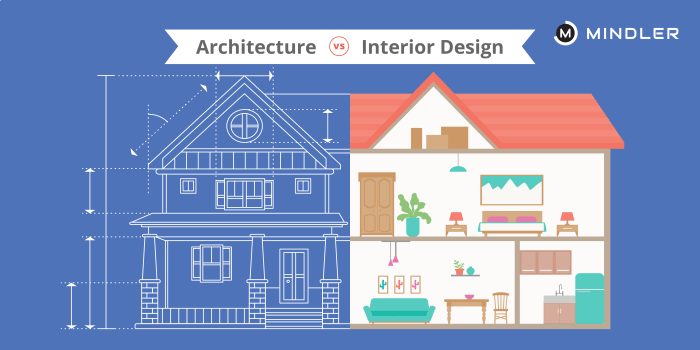
Interior vs. exterior architecture explained sets the stage for this enthralling narrative, offering readers a glimpse into a story that is rich in detail and brimming with originality from the outset. The discussion delves into the unique elements of interior and exterior architecture, shedding light on their differences and similarities.
As we explore the world of architectural design, we uncover the intricate balance between form and function, aesthetics and practicality, that shapes the spaces we inhabit.
Interior Architecture
Interior architecture focuses on the design and organization of interior spaces in a way that enhances both functionality and aesthetic appeal. It goes beyond just decorating a space to creating an environment that is both visually pleasing and practical for its intended use.
Elements Unique to Interior Architecture
- Space Planning: Interior architecture involves careful consideration of how space is utilized, ensuring optimal flow and functionality within a given area.
- Structural Design: Unlike interior design, interior architecture deals with the structural elements of a space, such as walls, ceilings, and floors, to create a cohesive and harmonious environment.
- Lighting Design: Interior architects pay special attention to lighting design, using natural and artificial light to enhance the mood and functionality of a space.
- Material Selection: From flooring to furniture, interior architecture involves selecting materials that not only look good but also meet the practical needs of the space.
Comparison with Interior Design
Interior architecture is often seen as a more holistic approach to designing interior spaces compared to interior design. While interior design focuses on aesthetics and decor, interior architecture considers the structural elements of a space and how they impact the overall design.
Interior architects may work closely with architects and engineers to ensure that the interior spaces function seamlessly within the larger context of a building.
Importance of Spatial Planning
Spatial planning is a key aspect of interior architecture as it determines how people interact with and move through a space. By carefully planning the layout of furniture, fixtures, and circulation paths, interior architects can create environments that are not only visually appealing but also practical and efficient.
Good spatial planning can enhance the user experience and contribute to the overall success of a design project.
Exterior Architecture
Exterior architecture refers to the design and structure of buildings as seen from the outside. It plays a crucial role in creating the first impression of a structure and contributes to the overall aesthetics of a space. The exterior design of a building can showcase the style, function, and identity of the structure, making it an essential aspect of architectural design.
Role of Materials in Exterior Architecture
Materials used in exterior architecture not only affect the visual appeal of a building but also impact its durability and performance. The choice of materials such as concrete, glass, steel, wood, or brick can significantly influence the overall design and functionality of a structure.
For example, glass facades can create a modern and transparent look, while brick exteriors can convey a sense of tradition and warmth.
Interaction with Landscaping
Landscaping plays a crucial role in enhancing the exterior architecture of a building. The integration of green spaces, gardens, walkways, and outdoor elements can complement the design of the structure and create a harmonious relationship between the built environment and nature.
Incorporating landscaping elements such as trees, plants, and water features can add beauty, sustainability, and functionality to the exterior design.
Impact of Climate on Exterior Architectural Design
Climate has a significant impact on the design of exterior architecture. Buildings need to be designed to withstand the climatic conditions of their location, including temperature fluctuations, precipitation, wind patterns, and sunlight exposure. Factors such as insulation, shading, ventilation, and material selection are crucial considerations in designing the exterior of a building to ensure energy efficiency, comfort, and longevity.
Key Differences
When it comes to interior and exterior architecture, there are several key differences that set them apart.
Natural Light Utilization
In interior architecture, natural light is carefully controlled and manipulated to create the desired ambiance within a space. Large windows, skylights, and light wells are strategically placed to bring in natural light while minimizing glare and heat gain. On the other hand, in exterior architecture, natural light is embraced and utilized to highlight the building's form and features, as well as to create shadow patterns that enhance the overall design
Use of Colors and Textures
In interior architecture, colors and textures are often used to create a cohesive and harmonious environment that complements the function of the space. Soft, warm colors and tactile materials are commonly used to enhance comfort and coziness. In contrast, exterior architecture often utilizes a broader range of colors and textures to make a bold statement and create visual interest.
Materials like glass, steel, and concrete are commonly used to convey a sense of strength and modernity.
Functionality Differences
Functionality in interior architecture is focused on meeting the needs of the occupants and enhancing their experience within the space. Layouts are carefully planned to optimize flow and functionality, with attention to details like storage, acoustics, and lighting. In exterior architecture, functionality is more about how the building interacts with its surroundings and the larger urban context.
Considerations like site orientation, accessibility, and environmental impact play a crucial role in the design process.
Design Principles
Interior architecture is guided by specific design principles that shape the functionality and aesthetic appeal of indoor spaces. These principles help create harmonious and well-balanced environments that cater to the needs of occupants while reflecting the intended purpose of the space.
Form Follows Function in Interior Architecture
In interior architecture, the principle of "form follows function" is paramount. This means that the design of a space should prioritize its intended use and the comfort of the people who will inhabit it. Every element, from the layout to the furniture selection, should serve a purpose and enhance the overall functionality of the space.
For example, a living room may be designed with comfortable seating arrangements and adequate lighting to promote relaxation and social interaction.
Relationship Between Aesthetics and Functionality in Exterior Architecture
Exterior architecture also relies on a delicate balance between aesthetics and functionality. While the exterior of a building should be visually appealing and in harmony with its surroundings, it must also fulfill practical requirements such as weather resistance and structural integrity.
The design of the exterior should complement the interior spaces while also making a statement about the building's purpose and style.
Architectural Styles Influence Interior and Exterior Design
Architectural styles play a significant role in shaping both interior and exterior design. Whether it's the sleek lines of modern architecture or the ornate details of classical styles, the chosen architectural style sets the tone for the entire building. This influences everything from the layout of interior spaces to the choice of materials for the exterior facade.
By understanding different architectural styles, designers can create cohesive and visually appealing spaces that harmonize with the overall design concept.
Conclusive Thoughts
In conclusion, the comparison between interior and exterior architecture reveals the intricate dance between creativity and functionality in the realm of design. From the intimate details of interior spaces to the grandeur of external structures, each element plays a crucial role in shaping our built environment.
Expert Answers
What is the importance of spatial planning in interior architecture?
Spatial planning in interior architecture is crucial as it determines the flow and functionality of a space, ensuring that it meets the needs of its occupants while also reflecting the desired aesthetic.
How does landscaping interact with exterior architecture?
Landscaping interacts with exterior architecture by enhancing the surrounding environment, complementing the building's design, and creating a harmonious outdoor space that integrates with the structure.
How is natural light utilized differently in interior and exterior architecture?
In interior architecture, natural light is often manipulated to create ambiance and highlight design elements, while in exterior architecture, it is used to illuminate the building and enhance its visual appeal.
What are key design principles specific to interior architecture?
Key design principles in interior architecture include functionality, balance, proportion, harmony, and emphasis on creating a cohesive and visually pleasing space.