

Minimalist Architecture Ideas for Small Spaces: Creating Beauty in Simplicity
Share this:
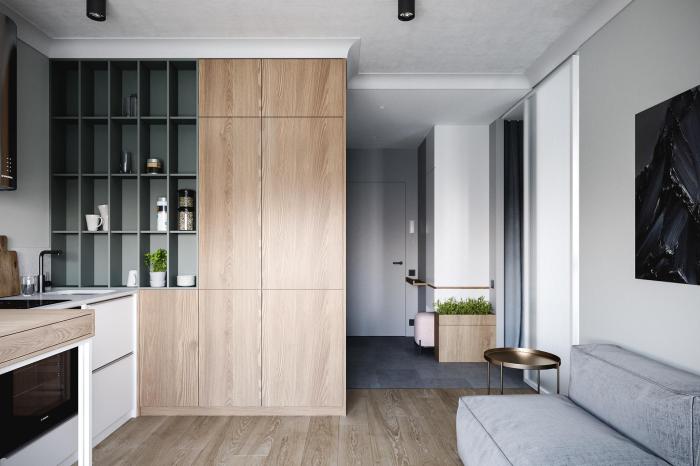
Exploring the realm of minimalist architecture ideas for small spaces opens up a world of creativity and innovation. From maximizing natural light to utilizing vertical space, this journey delves into the art of creating spaciousness in compact living areas. Let's embark on this insightful exploration together.
As we delve deeper into the realm of minimalist architecture for small spaces, we uncover a treasure trove of design principles that can transform any cramped area into a stylish and functional living space.
Introduction to Minimalist Architecture for Small Spaces
Minimalist architecture is a design approach characterized by simplicity, clean lines, and the use of minimal decorations. When applied to small spaces, minimalist design can help maximize space efficiency and create a sense of openness and tranquility.
Importance of Minimalist Design in Small Spaces
Minimalist design is crucial in small spaces as it prevents clutter and overcrowding, making the area feel more spacious and organized. By focusing on essential elements and removing unnecessary items, minimalist architecture can enhance functionality and improve the overall aesthetic of a small space.
Examples of Minimalist Architecture Principles
- Use of neutral colors like white, grey, or beige to create a sense of light and openness.
- Clean lines and simple geometric shapes to promote a sense of order and simplicity.
- Multi-functional furniture pieces that serve multiple purposes to maximize space efficiency.
- Open floor plans and strategic placement of furniture to enhance flow and circulation within the space.
Maximizing Natural Light in Small Spaces
When it comes to minimalist design, natural light plays a crucial role in creating a sense of openness, airiness, and connection to the outdoors. Maximizing natural light in small spaces can help make the area feel larger, more inviting, and enhance the overall aesthetic of the space.
Significance of Natural Light in Minimalist Design
Natural light not only illuminates a space but also has a significant impact on our mood, productivity, and well-being. In minimalist design, the use of natural light can highlight clean lines, simple forms, and create a serene atmosphere conducive to relaxation and focus.
Tips for Maximizing Natural Light in Small Spaces
- Choose light-colored or reflective surfaces to bounce light around the room.
- Opt for sheer curtains or blinds to allow maximum light penetration while maintaining privacy.
- Strategically place mirrors to reflect light and create the illusion of a larger space.
- Keep windows unobstructed by furniture or decor to ensure an unimpeded flow of natural light.
- Consider installing skylights or light tubes to bring in additional natural light from above.
Architectural Elements that Enhance Natural Light
- Large windows or floor-to-ceiling glass doors that allow ample natural light to flood the space.
- Clerestory windows positioned high on walls to bring in light without sacrificing privacy.
- Open floor plans that promote the flow of light throughout the space.
- Light wells or atriums that channel light into interior rooms or lower levels of a building.
- Minimalist window treatments such as sheer shades or simple blinds that maximize light while maintaining a clean aesthetic.
Multi-Functional Furniture and Storage Solutions
In minimalist architecture for small spaces, multi-functional furniture and innovative storage solutions play a crucial role in maximizing the use of limited space efficiently.
Space-Saving Furniture Designs
Space-saving furniture is designed to serve multiple functions while occupying minimal space. Examples include:
- A sofa that transforms into a bed, providing seating during the day and a sleeping area at night.
- Wall-mounted folding tables and chairs that can be tucked away when not in use.
- Bunk beds with built-in storage compartments to save floor space.
Innovative Storage Solutions
Storage solutions for small spaces need to be creative and efficient. Some innovative ideas include:
- Under-stair storage units that utilize often-overlooked space for storing items.
- Hanging shelves and cabinets to maximize vertical space and keep surfaces clutter-free.
- Drawer organizers and dividers to make the most of drawer space and keep belongings organized.
Minimalist Color Schemes and Materials
When it comes to minimalist architecture for small spaces, the choice of color schemes and materials plays a crucial role in enhancing the overall design aesthetic
Impact of Color Schemes in Minimalist Architecture
Color schemes in minimalist architecture are typically focused on neutral tones such as whites, creams, grays, and beiges. These colors help to create a clean and serene environment, making the space feel open and uncluttered. By using a monochromatic color palette or subtle contrasts, you can achieve a minimalist look that maximizes the perception of space.
Impact of Materials on Creating a Minimalist Space
The choice of materials in minimalist architecture is equally important. Opt for sleek and simple materials like glass, steel, concrete, and wood with clean lines and minimal detailing. These materials not only contribute to a modern and minimalist aesthetic but also reflect light to make the space feel brighter and more open.
Enhancing Small Spaces with Color and Materials
In small spaces, the right combination of color and materials can make a significant difference. For example, using light-colored walls and floors paired with glass elements can reflect natural light and create an illusion of depth. Incorporating wood accents or furniture pieces can add warmth and texture to balance out the minimalist design.
Incorporating Minimalist Design Elements
When it comes to incorporating minimalist design elements in small spaces, the focus is on simplicity, functionality, and creating a sense of openness. By utilizing key minimalist design principles, you can maximize the space and enhance the overall aesthetic appeal of the area.
Key Minimalist Design Elements
- Avoid clutter: Keep the space clean and clutter-free by only including essential items.
- Use neutral colors: Opt for a minimalist color palette with neutral tones such as white, beige, or grey to create a sense of calm and spaciousness.
- Embrace minimal furniture: Choose furniture pieces with clean lines and simple designs to maintain a sleek and uncluttered look.
- Incorporate natural elements: Bring in natural light, plants, and materials like wood or stone to add warmth and texture to the space.
Simplicity and Functionality in Minimalist Architecture
Simplicity and functionality are the core principles of minimalist architecture. By focusing on clean lines, open spaces, and functional design elements, you can create a harmonious and visually appealing environment. Minimalist architecture prioritizes the use of space in a purposeful and efficient manner, ensuring that every element serves a specific function while maintaining an overall sense of simplicity.
Tips for Incorporating Minimalist Design Elements Effectively
- Declutter regularly: Keep only essential items and remove anything that does not serve a purpose in the space.
- Opt for multi-functional furniture: Choose furniture pieces that can serve multiple purposes, such as a storage ottoman or a convertible sofa bed.
- Focus on quality over quantity: Invest in high-quality, timeless pieces rather than filling the space with unnecessary items.
- Utilize hidden storage solutions: Maximize space by incorporating built-in storage options or furniture with hidden compartments.
Utilizing Vertical Space
Utilizing vertical space is crucial in small areas to maximize storage and create a sense of openness. By utilizing the vertical dimension, you can make the most out of every inch in a small space, keeping it organized and visually appealing.
Vertical Storage Solutions
- Install tall shelving units or bookcases to take advantage of vertical space for storing books, decor items, and other belongings.
- Use wall-mounted cabinets or floating shelves to keep items off the floor and free up valuable space.
- Consider hanging baskets or hooks on walls to store items like plants, kitchen utensils, or accessories.
Creating Visual Interest through Vertical Design Elements
Vertical design elements can draw the eye upward, making the space feel larger and more dynamic. Here are some ideas to create visual interest:
- Hang statement artwork or mirrors on the walls to add height and create a focal point.
- Use floor-to-ceiling curtains to elongate windows and make the room appear taller.
- Introduce vertical lines through wallpaper patterns, architectural details, or furniture pieces to enhance the sense of height.
Summary
In conclusion, minimalist architecture offers a unique approach to designing small spaces, focusing on simplicity, functionality, and aesthetic appeal. By incorporating minimalist design elements and innovative solutions, one can truly elevate the living experience in compact areas. Embrace the beauty of minimalism and transform your small space into a harmonious oasis of style and comfort.
FAQ Explained
How can natural light be maximized in small spaces?
To maximize natural light in small spaces, consider using sheer curtains, light-colored walls, and strategically placing mirrors to reflect light.
What are some examples of multi-functional furniture?
Examples of multi-functional furniture include sofa beds, storage ottomans, and folding tables.
How do color schemes impact minimalist architecture?
Color schemes play a crucial role in minimalist architecture by creating a sense of harmony and enhancing the overall aesthetic of a space.
Why is utilizing vertical space important in small areas?
Utilizing vertical space helps maximize storage and visual interest in small areas, making the most of the available space.