

Famous architects and their iconic projects: A Journey Through Architectural Masterpieces
Share this:
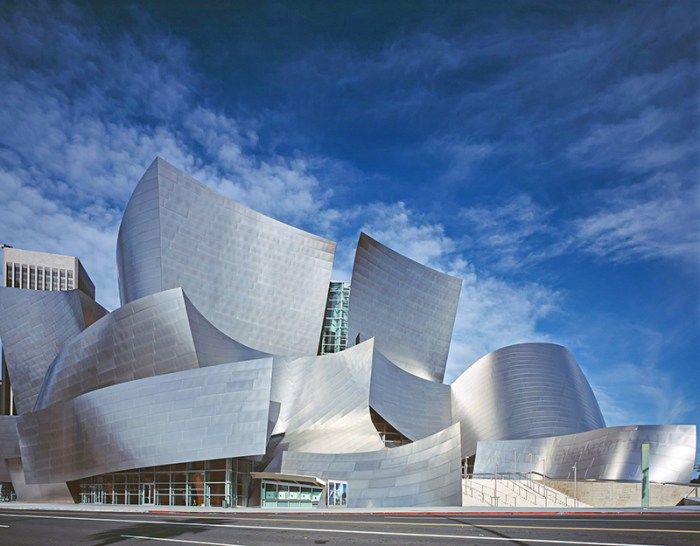
Embark on a fascinating exploration of the world's most renowned architects and their iconic projects. From groundbreaking designs to timeless structures, this topic delves into the essence of architectural brilliance that has left a lasting mark on our built environment.
Famous architects and their iconic projects
Throughout history, several architects have left a lasting impact on the world of architecture through their iconic projects. Let's take a look at three renowned architects and their most famous works.
Frank Lloyd Wright and Fallingwater
Frank Lloyd Wright, an American architect known for his organic architecture philosophy, designed Fallingwater in Pennsylvania. This iconic house, built over a waterfall, seamlessly integrates with its natural surroundings, blurring the lines between indoor and outdoor spaces.
The significance of Fallingwater lies in its innovative use of materials, open floor plan, and harmonious relationship with nature. It has become a symbol of modern architecture and a testament to Wright's vision of architecture in harmony with the environment.
Zaha Hadid and The Heydar Aliyev Center
Zaha Hadid, a groundbreaking architect known for her futuristic designs, created The Heydar Aliyev Center in Baku, Azerbaijan. This cultural center features fluid forms and sweeping curves, defying traditional architectural norms.
The Heydar Aliyev Center is significant for its bold and innovative design, pushing the boundaries of what is possible in architecture. Hadid's creation serves as a testament to her unique vision and avant-garde approach to architectural design.
I.M. Pei and The Louvre Pyramid
I.M. Pei, a Chinese-American architect revered for his modernist style, designed The Louvre Pyramid in Paris, France. This iconic glass pyramid serves as the entrance to the Louvre Museum, blending the old with the new in a harmonious union.
The Louvre Pyramid is significant for its juxtaposition of contemporary architecture with the historic Louvre Palace, symbolizing a modern gateway to the world-renowned museum. Pei's innovative design has become a landmark in Paris and a symbol of architectural excellence.
Architectural styles and influences

Architectural styles play a crucial role in shaping the designs of famous architects, as they draw inspiration from various movements throughout history. These styles are influenced by cultural, social, and historical factors, resulting in unique and iconic projects that reflect the values of their time.
Influential Architectural Movements
Architectural movements such as Gothic, Renaissance, Baroque, Modernism, and Postmodernism have had a significant impact on the work of famous architects. Let's explore the design elements of iconic projects from these various movements:
- Gothic:Characterized by pointed arches, ribbed vaults, and flying buttresses, Gothic architecture can be seen in cathedrals like Notre Dame de Paris, influencing architects like Antoni Gaudí.
- Renaissance:Known for its symmetry, proportion, and classical elements, Renaissance architecture is evident in structures like the St. Peter's Basilica in Vatican City, inspiring architects like Andrea Palladio.
- Baroque:Featuring dramatic effects, grandeur, and ornate decoration, Baroque architecture can be seen in buildings like the Palace of Versailles, influencing architects like Christopher Wren.
- Modernism:Emphasizing simplicity, functionality, and the use of new materials like glass and steel, Modernist architecture is showcased in the Farnsworth House by Mies van der Rohe.
- Postmodernism:Challenging traditional norms with eclectic designs, humor, and contextual references, Postmodernist architecture can be seen in buildings like the Piazza d'Italia in New Orleans by Charles Moore.
Cultural, Social, and Historical Factors in Architectural Design
The architectural design is not only influenced by aesthetic considerations but also by cultural, social, and historical factors. These elements shape the way architects approach their projects and reflect the values and beliefs of society at the time of construction.
| Cultural Factors: | Architects often integrate cultural motifs, materials, and techniques into their designs to connect with the local heritage and traditions. |
| Social Factors: | Architecture can be a response to social needs, such as housing, education, or public spaces, reflecting the priorities of the community |
| Historical Factors: | The historical context of a site or region can influence the architectural style, preservation efforts, and adaptive reuse of existing structures. |
Innovation and sustainability in architecture
In the world of architecture, innovation and sustainability play crucial roles in shaping the future of design. Architects have been incorporating cutting-edge technologies and sustainable design principles into their iconic projects to create buildings that are both visually stunning and environmentally friendly.
Innovative Technologies in Architecture
Architects like Norman Foster have been at the forefront of incorporating innovative technologies into their projects. For example, Foster's design of the Hearst Tower in New York City utilized advanced computer modeling software to create a unique diagrid structure that maximizes natural light and reduces energy consumption.
This integration of technology not only enhances the aesthetics of the building but also improves its energy efficiency.
Sustainability in Modern Architecture
Sustainability and environmental consciousness have become integral aspects of modern architecture. Renowned architect Renzo Piano is known for his commitment to sustainable design practices. His project, the California Academy of Sciences in San Francisco, features a living roof covered with native plants that help reduce stormwater runoff and provide natural insulation.
This eco-friendly approach showcases how architects can design buildings that minimize their environmental impact.
Iconic Projects Showcasing Sustainable Design
One iconic project that exemplifies sustainable design principles is the Edge, a building in Amsterdam designed by PLP Architecture. The building utilizes smart technologies like solar panels, rainwater harvesting systems, and energy-efficient glass facades to reduce its carbon footprint. The Edge is not only a visually striking structure but also a model of sustainable architecture that prioritizes environmental responsibility.
Legacy and impact of iconic projects
Iconic projects by famous architects have left a lasting impact on the architectural landscape, influencing future generations and prompting preservation efforts.
Architectural Evolution
Many iconic projects have set new standards and pushed the boundaries of architectural design, inspiring architects to think creatively and innovatively.
Influence on Future Generations
- Architectural masterpieces serve as educational tools for aspiring architects, showcasing different styles, techniques, and approaches.
- They encourage young architects to experiment, take risks, and strive for excellence in their own work.
- The influence of iconic projects can be seen in contemporary designs, with echoes of past innovations reinterpreted in modern contexts.
Preservation Efforts
Preserving iconic projects is crucial to maintaining architectural heritage and ensuring that future generations can appreciate these works of art.
Summary
In conclusion, the legacy of these architects and their iconic projects continues to shape the landscape of architecture, inspiring generations to come. Delve deeper into the realms of creativity, innovation, and sustainability that define these architectural masterpieces.
FAQs
How do famous architects choose their projects?
Famous architects often select projects based on their alignment with their design philosophy, the potential for innovation, and the opportunity to leave a lasting impact on the architectural world.
What makes an architectural project iconic?
An architectural project becomes iconic through its innovative design, cultural significance, and lasting influence on the field of architecture.
Are all iconic architectural projects sustainable?
While sustainability is increasingly important in modern architecture, not all iconic projects prioritize sustainability. However, many renowned architects are now integrating eco-friendly principles into their designs.
How do iconic projects preserve their historical significance?
Preservation efforts for iconic projects involve careful maintenance, restoration, and documentation to ensure that their historical and architectural value is safeguarded for future generations.