

How to Hire an Architect for a Custom Home: A Comprehensive Guide
Share this:
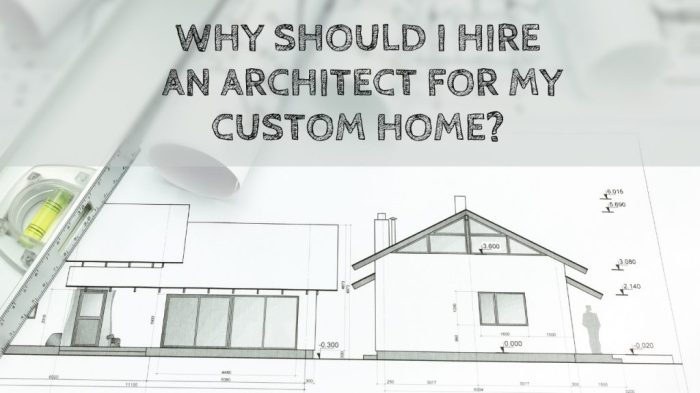
Embarking on the journey of hiring an architect for your custom home involves understanding your needs, researching architects, and evaluating proposals. This guide will walk you through the essential steps to ensure you find the perfect match for your dream home.
Understanding Your Needs
When hiring an architect for your custom home, it is crucial to have a clear understanding of your needs and requirements. This will help ensure that the design process aligns with your vision and goals for your new home.Identify your specific requirements for the custom home design, such as the number of bedrooms, bathrooms, and other essential spaces.
Consider any unique features or functionalities you want in your new home, like a home office, outdoor living area, or energy-efficient design elements.
List the Features and Functionalities
- Number of bedrooms and bathrooms
- Special spaces like a home office or gym
- Outdoor living areas or landscaping preferences
- Energy-efficient design elements
Consider Your Lifestyle and Future Needs
- Think about how you currently use your space and how your needs may change in the future.
- Discuss any specific design elements that would enhance your lifestyle, such as a chef's kitchen or a dedicated workspace.
- Consider any future additions to your family or changes in mobility that may impact the design of your home.
- Look for architects who specialize in custom home design to ensure they have the necessary experience and skills for your project.
- Consider architects who have completed projects in your area, as they will be familiar with local zoning laws, building codes, and environmental considerations.
- Review the architect's portfolio to see examples of their past work and assess if their design style aligns with your vision for your custom home.
- Look for diversity in their portfolio to ensure they can adapt to different design preferences and project requirements.
- Seek out reviews and testimonials from previous clients to get an understanding of the architect's professionalism, communication skills, and ability to meet project deadlines.
- Pay attention to any negative feedback or concerns raised by clients to make an informed decision about hiring the architect for your custom home project.
- Clearly articulate your vision for the custom home, including your style preferences, must-have features, and any specific requirements.
- Discuss your budget constraints openly to ensure the architect can work within your financial limits.
- Share your desired timeline for the project, including any deadlines or milestones that are important to you.
- Examine the design concepts presented by each architect. Do they resonate with your vision for the project?
- Compare the fees Artikeld in each proposal. Ensure that the costs are transparent and fit within your budget.
- Look at the proposed timelines for the project. Consider which architect can deliver within your desired timeframe.
- Compare the overall costs presented by each architect. Take note of any additional expenses that may arise during the project.
- Evaluate the deliverables each architect promises. Make sure they align with what you expect for the final outcome.
- Consider how well each architect understood your needs and vision. A strong understanding of your requirements is essential for a successful collaboration.
- Look for architects who demonstrate a willingness to tailor their proposals to meet your specific preferences and goals.
- Clearly define the scope of work that the architect will be responsible for, including design phases, construction oversight, and any additional services.
- Agree on the fees structure, whether it is a fixed fee, hourly rate, or percentage of the total project cost.
- Establish a realistic timeline for the project, including key milestones and deadlines.
- Ensure the contract includes provisions for changes to the scope of work, approvals, and how decisions will be made throughout the project.
- Clarify the communication channels between you and the architect, as well as the responsibilities of each party to provide necessary information and feedback.
- Include project milestones in the contract to track progress and ensure that the project stays on schedule.
- Discuss and agree on the process for resolving any disputes that may arise during the project, whether through mediation, arbitration, or other means.
- Include provisions for termination of the contract, outlining the conditions under which either party can end the agreement.
- Consider adding clauses for liability insurance and indemnification to protect both parties in case of unforeseen events.
Researching Architects
When looking to hire an architect for your custom home, it is essential to conduct thorough research to find the right professional for your project. Exploring local architects with experience in custom home design can provide you with a shortlist of potential candidates who are familiar with the local building regulations and requirements.
Checking portfolios of architects will allow you to assess their style, creativity, and expertise in designing custom homes. Reading reviews and testimonials from previous clients can give you insight into the architect's communication skills, project management abilities, and overall satisfaction levels of their clients.
Exploring Local Architects
Checking Portfolios
Reading Reviews and Testimonials
Initial Consultation
When you have narrowed down your list of potential architects for your custom home project, it is time to schedule initial consultations to discuss your needs and preferences. This meeting is crucial in finding the right architect who understands your vision and can bring it to life effectively.At the initial consultation, you should:
Share Your Vision, Budget, and Timeline
Architect’s Design Process and Approach
During the consultation, make sure to inquire about the architect's design process and how they typically approach custom home projects. This will give you insight into their creative methods, problem-solving skills, and overall approach to designing a home tailored to your needs.Remember, the initial consultation is an opportunity for both you and the architect to assess if you are a good fit for working together.
Be prepared to ask questions, listen attentively, and evaluate whether the architect's communication style and design aesthetic align with your preferences.
Evaluating Proposals
When it comes to evaluating proposals from architects for your custom home project, it's crucial to carefully review the details they provide. This step will help you make an informed decision that aligns with your vision and requirements.
Reviewing Design Concepts and Fees
Comparing Timelines, Costs, and Deliverables
Assessing Understanding of Requirements
Checking Credentials
When hiring an architect for your custom home project, it is crucial to check their credentials to ensure they have the necessary qualifications and experience. This step will help you make an informed decision and hire the right professional for the job.
Verify the architect’s license, certifications, and professional affiliations
It is essential to verify that the architect you are considering is licensed to practice in your state or country. Additionally, inquire about any certifications they may have that demonstrate their expertise in custom home design. Professional affiliations with organizations like the American Institute of Architects (AIA) can also indicate a commitment to high standards in the field.
Inquire about their experience working on custom home projects
Ask the architect about their previous experience specifically with custom home projects. Inquire about the scale, complexity, and style of the projects they have worked on in the past. A portfolio showcasing their custom home designs can give you a better idea of their capabilities and design aesthetic.
Ask for references and visit completed custom homes designed by them if possible
Request references from the architect and take the time to contact previous clients to inquire about their experience working with the architect. If feasible, arrange a visit to custom homes designed by the architect to see their work firsthand. This will allow you to assess the quality of their designs and the level of craftsmanship in person.
Contract and Agreements
When hiring an architect for your custom home, it is crucial to have a clear and detailed contract in place. This contract will Artikel the scope of work, fees, timeline, communication channels, responsibilities, and more. Before signing any agreement, make sure you thoroughly understand and agree to all the terms and conditions.It is important to discuss the following points before finalizing the contract:
Scope of Work, Fees, and Timeline
Provisions and Responsibilities
Dispute Resolution Mechanisms
Final Thoughts
In conclusion, hiring an architect for a custom home is a pivotal decision that can shape the future of your living space. By following the steps Artikeld in this guide, you can navigate the process with confidence and clarity, ultimately bringing your vision to life.
FAQ Section
What are the key factors to consider when identifying my needs for a custom home design?
When identifying your needs, consider aspects like functionality, aesthetics, energy efficiency, and future adaptability to ensure the design aligns with your lifestyle.
How can I effectively evaluate proposals from different architects?
While comparing proposals, focus on the alignment of the design concepts with your vision, the proposed timeline and costs, and how well the architect understood your requirements.
What credentials should I verify before hiring an architect for a custom home?
Ensure the architect is licensed, has relevant certifications, and check their experience with custom home projects. Request references and visit their completed projects for validation.
What should be included in the contract when finalizing an agreement with an architect?
The contract should specify the scope of work, fees, project timeline, provisions for changes, approvals, communication channels, responsibilities, and dispute resolution mechanisms.