

Architectural design services cost breakdown: Understanding the Factors, Components, and Strategies
Share this:
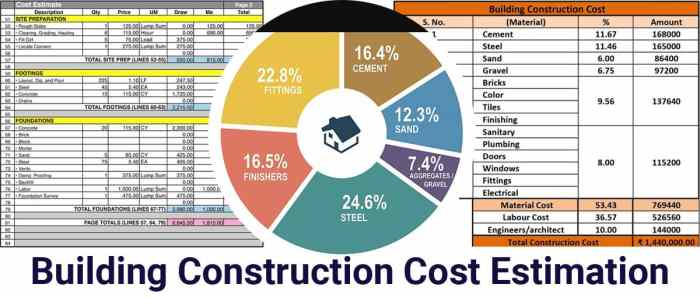
Delve into the intricate world of Architectural design services cost breakdown, where every detail matters in shaping the final budget. From project size to material choices, embark on a journey to unravel the mysteries behind the numbers.
As we explore the essential components and comparison of cost breakdowns, get ready to uncover the strategies that can help optimize your architectural project expenses.
Factors influencing architectural design services cost breakdown
When it comes to architectural design services, several factors play a crucial role in determining the cost breakdown. The size of the project, complexity of the design, choice of materials and finishes, and the location of the project all contribute to the overall cost.
Let's delve deeper into each of these factors:
Project Size Impact
The size of a project is a key determinant in the cost breakdown of architectural design services. Larger projects typically require more time, resources, and manpower, which can result in higher costs. Factors such as the number of rooms, square footage, and overall scope of the project can all influence the final pricing.
Role of Complexity
The complexity of the design is another crucial factor that affects the cost breakdown. Intricate designs, unique architectural elements, and special requirements often require more time and expertise to execute, leading to increased costs. Projects with complex structural requirements or unconventional designs may incur higher expenses.
Materials and Finishes
The choice of materials and finishes also plays a significant role in determining the cost of architectural design services. High-end materials, custom finishes, and specialty products can add to the overall cost of the project. The quality, durability, and aesthetics of the materials selected can impact the pricing structure significantly.
Significance of Location
The location of the project can have a substantial impact on the cost allocation for architectural design services. Projects in urban areas or regions with higher labor and material costs may be more expensive compared to projects in rural areas.
Factors such as accessibility, availability of resources, and local building codes can all influence the pricing based on the project's location.
Essential components of architectural design services cost breakdown
When it comes to breaking down the costs of architectural design services, several essential components play a significant role in determining the overall expenses. Understanding these main cost elements is crucial for both clients and architects to ensure a transparent and efficient financial process.Labor Costs:Labor costs are a fundamental component of architectural design services cost breakdown.
This includes the fees associated with the architects, designers, engineers, and other professionals involved in the project. The complexity and scope of the project, as well as the experience and expertise of the professionals, can influence labor costs significantly.Permits and Regulatory Requirements:Obtaining permits and complying with regulatory requirements are essential aspects of any architectural project.
The costs associated with securing permits, meeting building codes, and adhering to zoning regulations can impact the overall project budget. Failure to address these factors adequately can lead to delays and additional expenses.Overhead and Profit Margins:Overhead costs, such as office rent, utilities, insurance, and administrative expenses, are also factored into the architectural design services cost breakdown.
Additionally, profit margins are included to ensure the sustainability and profitability of the architectural firm. Balancing overhead costs and profit margins is crucial for the financial health of the business while providing quality services to clients.
Comparison of cost breakdown between different types of architectural projects
Residential and commercial architectural projects differ significantly in terms of cost breakdown. Residential projects tend to allocate more budget towards interior finishes and amenities, while commercial projects prioritize durable materials and structural integrity.
Cost Breakdown for Residential vs Commercial Projects
- Residential projects allocate more budget towards interior finishes and amenities.
- Commercial projects prioritize durable materials and structural integrity.
- Cost breakdown for residential projects may include landscaping and outdoor features, while commercial projects focus on functional spaces and utilities.
New Construction vs Renovations
- New construction projects typically allocate more budget towards building materials and labor costs.
- Renovations often involve additional costs for demolition, site preparation, and adapting existing structures.
- Cost breakdown for new construction projects may include foundation work, framing, and finishing, while renovations allocate budget towards upgrading existing systems and integrating new design elements.
Cost Breakdown for Sustainable or Green Building Projects
- Sustainable or green building projects allocate budget towards energy-efficient systems, eco-friendly materials, and certifications.
- Cost breakdown for sustainable projects may include incentives for green building practices and long-term savings on energy costs.
- Traditional projects may focus more on aesthetics and immediate costs, while sustainable projects prioritize long-term environmental impact and operational efficiency.
Traditional vs Modern Architectural Designs
- Traditional architectural designs may allocate budget towards intricate details, craftsmanship, and historical preservation.
- Modern architectural designs prioritize innovation, technology integration, and minimalist aesthetics.
- Cost breakdown for traditional designs may include materials like wood and stone, while modern designs may focus on glass, steel, and sustainable materials.
Strategies for optimizing architectural design services cost breakdown
When it comes to optimizing architectural design services cost breakdown, there are several strategies that can help in reducing costs without compromising quality.
Effective Project Management for Cost Control
One of the key strategies for optimizing architectural design services cost breakdown is effective project management. By having a detailed project plan, setting clear goals and deadlines, and closely monitoring progress, unnecessary delays and cost overruns can be minimized.
Value Engineering Techniques
Value engineering is a systematic method to improve the value of goods or products and services by using an examination of function. It involves analyzing the functions of architectural design elements and finding ways to achieve the same functions at a lower cost.
For example, using cost-effective materials that offer the same aesthetic appeal can help in reducing overall project costs.
Early Collaboration with Contractors
Early collaboration with contractors can also have a significant impact on cost breakdown. By involving contractors in the design phase, their expertise can help in identifying cost-saving opportunities, avoiding potential issues that may arise during construction, and ensuring that the project stays within budget.
Closing Notes
In conclusion, understanding the nuances of Architectural design services cost breakdown is key to successful project management. By implementing effective strategies and considering various factors, you can navigate through the complexities of budget allocation with confidence.
FAQ Overview
How does project size influence cost breakdown?
Project size plays a significant role in cost breakdown as larger projects often require more resources and labor, leading to higher overall costs.
What is the impact of permits and regulatory requirements on cost breakdown?
Permits and regulatory requirements can add to the overall cost breakdown by necessitating additional paperwork, inspections, and compliance measures.
How does cost breakdown differ between residential and commercial projects?
Residential projects may focus more on aesthetics and comfort, while commercial projects often prioritize functionality and space utilization, leading to varying cost breakdowns.
What are some tips for reducing costs without compromising quality?
To reduce costs without sacrificing quality, consider value engineering, efficient project management, and early collaboration with contractors to optimize the budget.