

Future-proof Home Designs by Modern Architects: Embracing Sustainability and Innovation
Share this:
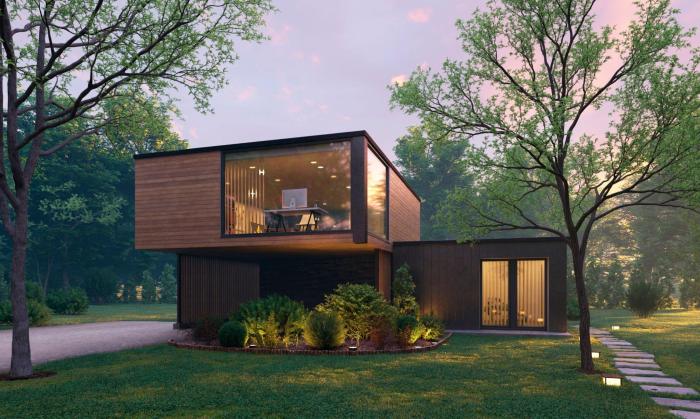
Embark on a journey through the world of future-proof home designs by modern architects, where sustainability meets innovation in perfect harmony. From cutting-edge technologies to adaptable spaces, these homes are revolutionizing the way we live.
Characteristics of Future-Proof Home Designs
Modern architects incorporate several key elements into future-proof home designs to ensure longevity, sustainability, and adaptability. These designs are not only aesthetically pleasing but also functional and environmentally friendly.
Sustainability Integration
In future-proof home designs, sustainability is a crucial aspect that architects prioritize. This includes using eco-friendly materials, implementing energy-efficient systems, and maximizing natural light and ventilation to reduce the home's carbon footprint. For instance, architects may incorporate solar panels, green roofs, rainwater harvesting systems, and efficient insulation to make the home more sustainable in the long run.
Innovative Materials and Technologies
Architects are constantly exploring innovative materials and technologies to enhance the durability and efficiency of future-proof home designs. Examples include the use of recycled materials, such as reclaimed wood or metal, to reduce waste and promote sustainability. Additionally, smart home technologies, such as automated lighting, heating, and security systems, are integrated to improve the overall functionality and convenience of the home.
Incorporating Technology in Future-Proof Home Designs
In modern architect-designed homes, the incorporation of smart home technology plays a crucial role in enhancing convenience, efficiency, and sustainability. These advanced technologies are seamlessly integrated into the very fabric of the homes, offering a seamless living experience that adapts to the needs and preferences of the residents.
Role of Smart Home Technology
Smart home technology allows for the automation and control of various home functions, such as lighting, heating, security, and entertainment, through connected devices and systems. This integration not only enhances the overall living experience but also contributes to energy efficiency and cost savings.
Integration of IoT Devices
The Internet of Things (IoT) devices are intelligently integrated into modern architect-designed homes to create a network of interconnected devices that communicate and collaborate to optimize the functionality of the home. From smart thermostats that adjust temperature settings based on occupancy to smart locks that provide secure keyless entry, IoT devices enhance convenience and security.
Enhancing Functionality and Efficiency
Technology enhances the functionality and efficiency of future-proof homes in various ways. For example, energy monitoring systems help residents track and optimize their energy consumption, while automated irrigation systems adjust watering schedules based on weather conditions, contributing to water conservation.
Sustainable Features in Modern Architect-Designed Homes
In modern architect-designed homes, sustainability features are crucial for creating future-proof and environmentally friendly living spaces. These features not only reduce the environmental impact of the home but also contribute to long-term cost savings and energy efficiency.
Solar Panels
- Solar panels are a common sustainable feature in modern homes, providing renewable energy from the sun to power the household.
- They reduce reliance on traditional energy sources, lower electricity bills, and decrease the carbon footprint of the home.
- By harnessing solar energy, homes can become more self-sufficient and resilient to power outages.
Green Roofs
- Green roofs are another sustainable feature that improves insulation, reduces stormwater runoff, and provides additional green space.
- They help lower energy consumption for heating and cooling, improve air quality, and support biodiversity in urban areas.
- Green roofs can also extend the lifespan of the roof membrane and reduce maintenance costs over time.
Energy-Efficient Appliances
- Modern homes are equipped with energy-efficient appliances that consume less electricity and water, reducing overall utility costs.
- These appliances help lower carbon emissions and contribute to a more sustainable lifestyle for homeowners.
- Investing in energy-efficient appliances is a long-term strategy for saving money and reducing environmental impact.
Sustainable Materials
- Using sustainable materials in construction, such as bamboo flooring, recycled glass countertops, or reclaimed wood, can significantly reduce the environmental footprint of a home.
- These materials are durable, eco-friendly, and often contribute to a unique aesthetic in modern homes.
- Choosing sustainable materials can enhance the overall design and longevity of a home, creating a more sustainable living environment for residents.
Flexibility and Adaptability in Future-Proof Home Designs
Future-proof home designs by modern architects often incorporate flexibility and adaptability to accommodate changes in the homeowners' needs over time. This ensures that the home can evolve along with the family living in it, providing a sustainable solution for long-term living.
Adaptable Spaces
Modern architects design homes with adaptable spaces that can serve multiple functions based on the homeowners' requirements. For example, a room initially designed as a home office can easily be converted into a nursery or a guest bedroom as the family grows.
This flexibility allows the space to remain functional and relevant throughout different stages of life.
Importance of Designing for Modification
It is crucial to design homes that can be easily modified or expanded over time to meet changing needs. By incorporating features such as movable walls, modular furniture, and open floor plans, architects ensure that homeowners can customize their living spaces without the need for major renovations.
This not only saves time and money but also reduces wastage and promotes sustainable living.
Conclusion
As we conclude our exploration of future-proof home designs by modern architects, it's clear that the fusion of sustainability, technology, and adaptability is shaping the homes of tomorrow. With a focus on longevity and efficiency, these designs pave the way for a more sustainable future.
Questions Often Asked
How do modern architects incorporate sustainability into future-proof home designs?
Modern architects integrate sustainability by utilizing eco-friendly materials, implementing energy-efficient systems, and incorporating renewable energy sources.
What are some examples of innovative materials or technologies used in future-proof home designs?
Examples include green roofs, solar panels, smart home technology, recycled materials, and passive design strategies.
Why is flexibility important in future-proof home designs?
Flexibility allows homes to adapt to changing needs and technologies over time, ensuring longevity and functionality.