

Smart Home Architecture Planning Guide: A Comprehensive Approach to Designing Your Dream Smart Home
Share this:
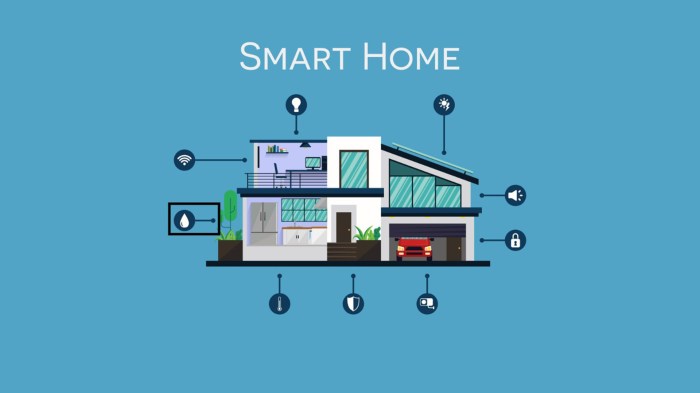
Embark on a journey into the world of smart home architecture with our guide that promises to enlighten and inspire. From understanding user needs to integrating cutting-edge technology, this guide covers all aspects of creating a smart home that reflects your lifestyle and values.
Delve into the intricacies of smart home architecture planning and discover how proper preparation can lead to a seamless and efficient living experience.
Smart Home Architecture Planning Guide Overview
Smart home architecture involves designing and implementing a network of connected devices and systems within a home to automate and optimize various tasks and functions.
Proper planning is crucial in smart home architecture to ensure that all components work seamlessly together, security measures are in place, and the system is user-friendly.
Key Considerations in Smart Home Architecture Planning
- Assessing the needs and preferences of the occupants to determine the required smart home features.
- Creating a detailed floor plan to map out the placement of devices and systems for optimal functionality.
- Choosing the right communication protocols and standards to ensure compatibility and interoperability among devices.
- Considering the scalability of the smart home system for future expansions or upgrades.
Benefits of Following a Comprehensive Planning Guide
- Minimizes the risk of compatibility issues and system malfunctions by ensuring a well-thought-out design.
- Helps in budget management by identifying the necessary components and estimating costs accurately.
- Enhances user experience by tailoring the smart home system to meet the specific needs and preferences of the occupants.
Understanding User Needs and Lifestyle
When it comes to smart home architecture, understanding user needs and lifestyle is crucial for creating a space that enhances convenience, comfort, and efficiency.
Process of Understanding User Needs
Before diving into the design process, architects and designers need to conduct thorough interviews and surveys with the homeowners to understand their daily routines, habits, and preferences. This helps in identifying the specific requirements and priorities of the users.
Examples of Lifestyle Factors in Smart Home Design
- Family Size: Designing a smart home for a large family may require features like multiple security cameras, interconnected systems for communication, and energy-efficient appliances to cater to the needs of many individuals.
- Work-from-Home Professionals: Creating dedicated office spaces with smart technology integration, such as adjustable desks, smart lighting, and soundproofing, can enhance productivity and comfort for those working from home.
- Elderly or Disabled Individuals: Smart home designs can include features like voice-controlled devices, motion sensors for safety, and automated lighting to provide a more accessible and comfortable living environment.
Importance of Customization based on User Preferences
Customizing smart home architecture based on user preferences ensures that the technology seamlessly integrates into their lifestyle, making daily tasks easier and more efficient. Whether it's controlling the lighting, temperature, or security systems, personalized settings enhance the overall user experience.
Designing for Different Family Dynamics or Living Situations
- Multi-Generational Families: Smart home designs for multi-generational families may focus on creating separate living areas with interconnected systems to accommodate different age groups while promoting connectivity and convenience.
- Roommates or Shared Living Spaces: Implementing smart technology that allows for individual preferences within shared spaces, such as adjustable lighting and temperature controls, can enhance comfort and harmony among roommates.
- Solo Dwellers: For individuals living alone, smart home features like remote monitoring, automated security systems, and energy-saving devices can provide peace of mind and convenience.
Integrating Technology and Automation
Integrating smart technologies seamlessly into the home design is essential to create a truly connected and efficient smart home. By incorporating automation, homeowners can enhance convenience, efficiency, and overall quality of life.
Role of Automation in Enhancing Convenience and Efficiency
Automation plays a crucial role in enhancing convenience and efficiency within a smart home. By automating routine tasks such as adjusting lighting, temperature, and security settings, homeowners can save time and energy while enjoying a more comfortable living environment.
Popular Smart Home Technologies to Consider
- Smart lighting systems that can be controlled remotely or programmed to adjust based on time of day or occupancy.
- Smart thermostats that learn user preferences and adjust temperature settings for optimal comfort and energy savings.
- Home security systems with cameras, sensors, and smart locks that can be monitored and controlled from anywhere.
- Voice assistants like Amazon Alexa or Google Assistant that enable hands-free control of various home devices and systems.
Tips for Future-Proofing Smart Home Design
- Choose technology that is scalable and adaptable to future advancements, ensuring that your smart home remains relevant and functional for years to come.
- Consider installing a robust network infrastructure to support the growing number of connected devices in your smart home.
- Opt for open-source platforms and devices that allow for easy integration with new technologies and updates.
- Consult with a professional smart home designer to ensure your home is equipped with the latest and most versatile technology options.
Sustainable Design and Energy Efficiency

Creating a sustainable and energy-efficient smart home involves incorporating design elements and technologies that minimize environmental impact while maximizing energy savings. By integrating these principles, homeowners can reduce their carbon footprint and lower utility costs.
Strategies for Sustainable Design
- Utilizing passive solar design to maximize natural light and heat, reducing the need for artificial lighting and heating.
- Installing energy-efficient appliances and smart systems that can optimize energy usage based on occupancy and time of day.
- Incorporating green building materials such as recycled wood, bamboo flooring, and energy-efficient windows to enhance sustainability.
Benefits of Energy-Efficient Solutions
- Lower energy bills and reduced long-term costs for homeowners.
- Decreased reliance on non-renewable energy sources, contributing to a greener environment.
- Enhanced comfort and indoor air quality through efficient ventilation and heating systems.
Key Elements for Reducing Environmental Impact
- Proper insulation to minimize energy loss and improve thermal efficiency.
- Water-saving fixtures and rainwater harvesting systems to reduce water consumption.
- Landscaping with native plants and creating green spaces to promote biodiversity and reduce heat islands.
Integration of Sustainable Design Aesthetically
Sustainable design can be seamlessly integrated into smart home architecture through features like living green walls, solar panels that double as shading elements, and recycled materials used in artistic and functional ways. By blending sustainability with aesthetics, homeowners can enjoy a beautiful living space that also benefits the environment.
Security and Privacy Considerations
In the realm of smart home architecture, prioritizing security and privacy is paramount to ensure the safety and well-being of residents. As smart homes become more prevalent, the need for robust security measures becomes increasingly important to protect against potential threats and vulnerabilities.
Implementing Robust Security Measures
When designing a smart home system, it is essential to incorporate strong security measures from the outset. Here are some tips for implementing robust security in the design:
- Use encryption: Encrypting data transmitted between devices and servers can help prevent unauthorized access.
- Implement multi-factor authentication: Require multiple forms of verification, such as passwords and biometrics, to access the system.
- Regularly update software: Ensure that all devices and software are kept up to date with the latest security patches to prevent vulnerabilities.
- Secure network infrastructure: Use firewalls, secure Wi-Fi networks, and virtual private networks (VPNs) to protect against intrusions.
Identifying Potential Vulnerabilities
Smart home systems can be vulnerable to cyber attacks, privacy breaches, and physical intrusions. Some potential vulnerabilities include:
- Weak passwords: Easily guessable or default passwords can make it easier for hackers to gain access to the system.
- Unsecured devices: Devices with default settings or unpatched vulnerabilities can be exploited by attackers.
- Data privacy concerns: Collecting and storing personal data can pose privacy risks if not properly secured.
Balancing Convenience with Security
While convenience is a key benefit of smart home technology, it is essential to strike a balance with security and privacy considerations. Users should be educated on best practices for maintaining security, such as:
- Limiting access: Only granting permissions to trusted users and devices can help prevent unauthorized access.
- Regularly monitoring system activity: Keeping an eye on device logs and network traffic can help detect any unusual behavior or potential threats.
- Being wary of third-party integrations: Ensure that third-party services and devices meet security standards before integrating them into the smart home system.
Final Summary
In conclusion, the Smart Home Architecture Planning Guide serves as a roadmap for designing a modern and sustainable living space that prioritizes convenience, security, and energy efficiency. By following the principles Artikeld in this guide, you can transform your house into a smart home that caters to your every need.
FAQ Overview
How can I ensure my smart home design aligns with my lifestyle?
To ensure your smart home design aligns with your lifestyle, start by identifying your daily routines, preferences, and habits. This information will guide the customization of your smart home features to suit your needs perfectly.
What are some key elements to consider for sustainable design in smart homes?
Key elements to consider for sustainable design in smart homes include energy-efficient appliances, smart lighting systems, proper insulation, and renewable energy sources like solar panels. These elements can significantly reduce the environmental impact of your smart home.
How can I balance security and convenience in my smart home?
Balance security and convenience in your smart home by investing in robust security measures such as encrypted communication protocols, multi-factor authentication, and regular software updates. These precautions ensure that your smart home remains secure without compromising on convenience.